Tax Benefits and Deductions for Homebuyers


Featured Image of Tax Benefits And Deductions For Homebuyers

Tax benefits and deductions for homebuyers in India mainly apply to home loan interest, principal repayment, stamp duty, registration charges and some old first-time buyer provisions. Under the old tax regime, a self-occupied homebuyer can claim up to ₹2 lakh per year on home loan interest under Section 24(b) and up to ₹1.5 lakh per year under Section 80C for principal repayment, stamp duty and registration charges within the overall 80C limit. For 2026 buyers, the most important point is the tax regime. The new tax regime is now the default, but many home loan deductions are mainly useful under the old tax regime. First- time buyer sections like 80EE and 80EEA are not open for most new 2026 loans because they apply only to older loan-sanction windows. So buyers must check loan date, possession stage, tax regime, ownership share and property use before planning tax savings.

Tax Benefits Offered with a Home Loan

Homebuyers can claim tax deductions on:

  • Home loan interest
  • Principal repayment
  • Stamp duty and registration charges

But these benefits are not automatic for every buyer. The deduction depends on the tax regime, whether the property is self-occupied or let out, whether construction is complete, and whether the buyer is both owner and borrower.

Quick Summary of Homebuyer Tax Deductions in 2026

Section What It Covers Maximum Deduction Main Condition
Section 24(b) Home loan interest ₹2 lakh for self-occupied property under old regime Construction or purchase conditions must be met
Section 80C Principal repayment, stamp duty and registration ₹1.5 lakh total limit Old regime; possession/transfer conditions apply
Section 80EE Extra interest for old first-time buyer loans ₹50,000 Loan sanctioned from 1 Apr 2016 to 31 Mar 2017
Section 80EEA Extra interest for affordable housing loans ₹1.5 lakh Loan sanctioned from 1 Apr 2019 to 31 Mar 2022
Joint Home Loan Separate claims by co-owners Up to limits per eligible co-owner Each person must be co-owner and co-borrower
Capital Gains (Sections 54 / 54EC / 54F) Tax saving after selling property or other assets Depends on section and reinvestment Time limit and investment conditions apply

Tax Benefit on Home Loan Interest — Section 24(b)


One of the biggest tax benefits for homebuyers in India is the deduction available on the interest paid on a home loan under Section 24(b) of the Income Tax Act.

Section 24(b) allows homebuyers to claim deductions on the interest portion of their home loan EMIs.

  • For self-occupied property, the deduction limit is ₹2 lakh per year.
  • For rented-out property, there is no upper limit on the interest deduction. However, only ₹2 lakh can be adjusted against your total income in a year.
  • The property must be completed within five years of taking the loan.

This benefit is most useful under the old tax regime. For a self-occupied house, the maximum interest deduction is ₹2 lakh per year when the loan is taken for purchase or construction and the required conditions are met. If the property is let out, actual interest can be claimed, but the loss from house property that can be set off against other income is limited to ₹2 lakh in a year under the old regime.

For under-construction homes, interest paid before completion is called pre-construction interest. It cannot be claimed fully in the same year. It can be claimed in five equal yearly instalments after the property is completed, subject to the Section 24(b) limit for self- occupied property.

Tax Benefit on Principal Repayment — Section 80C


Section 80C of the Income Tax Act, claims a tax deduction of up to ₹1.5 lakh every year on the principal amount paid towards your home loan. You can also claim a one-time deduction for stamp duty and registration charges in the year you pay them.

Conditions:

  • You can claim this only after taking possession of your property.
  • You cannot sell the property within five years of purchase.
  • This benefit is available only under the old tax regime.

Section 80C has a combined limit of ₹1.5 lakh. This means housing loan principal, stamp duty, registration charges, life insurance premium, PF and other 80C investments share the same limit. A homebuyer cannot claim ₹1.5 lakh separately for each item.

Stamp duty and registration charges can be claimed only in the year of payment, within the 80C limit and subject to old-regime rules. Buyers should keep the payment receipt, registration proof and loan documents safely.

Additional Benefit for First-Time Homebuyers — Section 80EE


First-time homebuyers can get an extra tax benefit under Section 80EE of the Income Tax Act. Under this section, you can claim an additional tax deduction of up to ₹50,000 on the interest paid on your home loan. This benefit is over and above the ₹2 lakh deduction available under Section 24(b).

This section must be explained carefully for 2026. Section 80EE is not a fresh benefit for most new homebuyers today. It applies to eligible first-time homebuyers where the loan was sanctioned from 1 April 2016 to 31 March 2017. So a buyer taking a new loan in 2026 should not assume that 80EE is available.

Keep this section only for awareness and for people who still have an eligible old loan. New homebuyers should check eligibility with a tax advisor before using this deduction.

Affordable Housing Benefit — Section 80EEA


The government introduced Section 80EEA to encourage people to buy affordable homes. Under this section, homebuyers can claim an additional tax deduction of up to ₹1.5 lakh on the interest paid on a home loan.

Section 80EEA is also not a general 2026 benefit for new loans. It applies only to eligible first-time homebuyers where the home loan was sanctioned from 1 April 2019 to 31 March 2022. The stamp duty value of the residential house should not exceed ₹45 lakh, and the buyer should not own any residential house on the loan sanction date.

For premium or large-ticket projects, 80EEA may not apply because of the ₹45 lakh stamp duty value condition. Buyers should not count this deduction while planning a higher-value apartment unless a tax expert confirms eligibility.

Old Tax Regime vs New Tax Regime for Homebuyers

This is the most important 2026 tax section for homebuyers. The new tax regime is the default regime, but the old tax regime allows more deductions. A homebuyer with a home loan should compare both regimes before filing the return.

Tax Point Old Tax Regime New Tax Regime
Section 24(b) for self-occupied home Available up to ₹2 lakh Generally not available for self-occupied property
Section 80C principal repayment Available within ₹1.5 lakh limit Not available
Stamp duty and registration under 80C Available within ₹1.5 lakh limit Not available
80EE / 80EEA Available only if old eligibility dates are met Not generally useful for most taxpayers
Let-out property interest Actual interest can be claimed; loss set-off rules apply Interest may be allowed for let-out property, but loss cannot be set off against other income
Best for Buyers with large eligible deductions Buyers with fewer deductions and lower-rate benefit

A buyer should not blindly choose old regime or new regime. The better regime depends on income, loan interest, 80C use, insurance, PF, HRA, NPS and other deductions. Use a tax calculator or ask a CA before filing.

Tax Benefits for Joint Home Loans


If two or more people jointly buy a property and also take the home loan together, each person can claim tax benefits on the home loan separately.

  • Up to ₹2 lakh each under Section 24(b) for interest.
  • Up to ₹1.5 lakh each under Section 80C for principal repayment.

The key condition is ownership. A person should be both co-owner and co-borrower to claim home loan tax benefits. If a spouse only pays EMI but is not a co-owner, the deduction can become risky. The claim should also match the ownership share and actual EMI payment arrangement.

Joint loans are useful for couples buying a higher-value home because each eligible co- owner can claim deductions separately under the old tax regime. But both should keep loan certificates, payment records and ownership documents.

Tax Benefits on Under-Construction Property


If you buy an under-construction property, you may start paying EMIs before you get possession. The interest paid during this period is called pre-construction interest. You can claim this in five equal yearly installments after you receive possession.

This section is important for new-launch projects. For an under-construction home, most useful home loan tax benefits start only after completion or possession conditions are met. Pre-construction interest is accumulated and then claimed in five equal instalments after completion, subject to the Section 24(b) limit.

Principal repayment under Section 80C is generally claimed after possession. So buyers should not expect full tax benefit during the early construction stage. This matters for people buying long-possession projects.

Tax Benefits on Stamp Duty and Registration Charges


Homebuyers can also get tax benefits on stamp duty and registration charges paid while buying a property. Under Section 80C of the Income Tax Act, claim tax benefits of up to ₹1.5 lakh in a financial year on these expenses.

  • This benefit can be claimed only in the year the payment is made.
  • The property must be a residential property.
  • The deduction is included within the Section 80C limit.

This is a one-time benefit, not a yearly benefit. If stamp duty and registration charges are paid in one financial year, the deduction must be claimed in that same year under Section 80C, subject to the ₹1.5 lakh total limit and old-regime rules.

Example: How Much Deduction Can a Homebuyer Claim?

Assume a buyer has taken possession of a self-occupied home and chooses the old tax regime. If the buyer pays ₹2.40 lakh interest and ₹1.80 lakh principal in a year, the deduction may be limited to ₹2 lakh under Section 24(b) for interest and ₹1.5 lakh under Section 80C for principal.

Payment Type Actual Paid Eligible Deduction Limit
Home loan interest ₹2.40 lakh ₹2 lakh under Section 24(b)
Principal repayment ₹1.80 lakh ₹1.5 lakh under Section 80C
Total possible deduction ₹4.20 lakh paid ₹3.5 lakh deduction

Capital Gains Tax Exemption on Sale of Property


If you make a profit after selling a property, you may have to pay Capital Gains Tax. But the Income Tax Act gives some tax benefits that can help you save tax.

  • Section 54: No tax if you reinvest the sale proceeds in another residential property within two years (or construct within three years).
  • Section 54EC: You can invest up to ₹50 lakh in specific government bonds like NHAI or REC to avoid tax.
  • Section 54F: If you sell another asset (like shares) and buy a house, you can also get an exemption.

These sections are useful when an existing property or asset is sold and the buyer reinvests in a house. They are not normal home loan deductions. Time limits, investment limits and property conditions are important. Buyers should take tax advice before planning capital gains exemption because wrong timing can lead to tax demand.

Tax Benefits and Deductions for Prestige Golden Grove Homebuyers

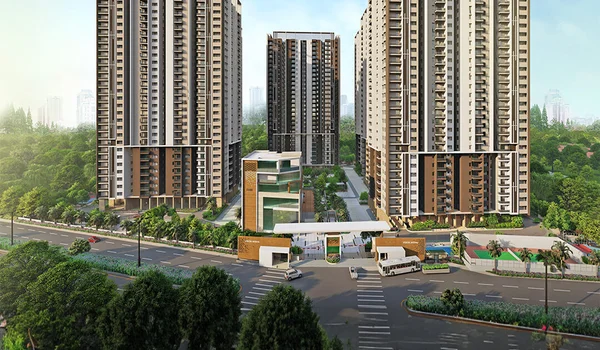
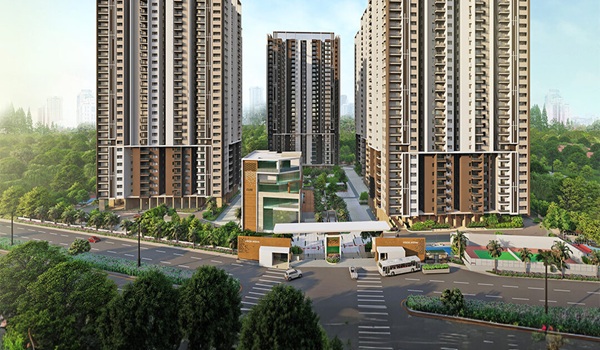
Prestige Golden Grove is a high-rise apartment township in Velimela, near Tellapur and Kollur, West Hyderabad. It is TS RERA approved under P01100010708 and was launched on 09 April 2026. Buyers planning a home loan here should understand that tax benefit timing depends on possession, registration, EMI stage and tax regime.

Since Prestige Golden Grove is an under-construction project with RERA completion dated 28 March 2031, buyers may pay pre-EMI or EMI before possession. Interest paid before completion can usually be claimed in five equal instalments after completion, subject to Section 24(b) rules. Principal repayment benefits under Section 80C are also linked to possession and old-regime eligibility.

For Golden Grove buyers, the key documents to keep are the allotment letter, agreement for sale, loan sanction letter, interest certificate, principal repayment certificate, payment receipts, stamp duty and registration receipts, and possession or handover document. These records will be needed while claiming deductions.

Homebuyer Tax Planning Checklist

Checklist Point Why It Matters
Choose old or new tax regime Decides whether most deductions are useful
Check possession date Many claims start after completion or possession
Collect interest certificate Needed for Section 24(b)
Collect principal repayment proof Needed for Section 80C
Save stamp duty receipts Needed for one-time 80C claim
Check joint ownership Important for joint loan deductions
Track pre-construction interest Claimed in five instalments after completion
Check 80EE / 80EEA dates Most new 2026 buyers may not qualify
Ask CA before filing Avoids wrong claims and tax notices

Common Mistakes Homebuyers Should Avoid


Do not assume the new tax regime gives all home loan benefits. Do not claim 80EE or 80EEA for a 2026 loan without checking sanction-date rules. Do not claim principal deduction before possession if conditions are not met. Do not forget that 80C has a total limit of ₹1.5 lakh.

Do not treat deduction as refund. Deduction reduces taxable income. The actual tax saving depends on slab rate, income level and tax regime. Also, do not rely only on builder or bank staff for tax filing. A CA or qualified tax advisor should check the final claim.

Conclusion

Tax benefits and deductions for homebuyers can reduce the yearly tax burden, but only when the buyer uses the right tax regime and meets the conditions. The main old-regime benefits are Section 24(b) for home loan interest and Section 80C for principal, stamp duty and registration charges.

For under-construction homes like Prestige Golden Grove, buyers should plan tax benefits around possession and completion. The safest method is to keep all loan and property documents, compare old and new tax regimes every year, and confirm eligibility with a tax advisor before filing returns.

FAQs


1. How much home loan interest can I claim as a tax deduction?

Under Section 24(b) of the Income Tax Act, buyers can generally claim up to ₹2 lakh per year on interest paid on a home loan for a self-occupied property under the old tax regime. For a let-out property, actual interest can typically be claimed, subject to loss set-off rules.

2. Can I claim a deduction on the principal repayment of my home loan?

Generally, yes. The principal portion of the EMI can qualify under Section 80C up to ₹1.5 lakh per year within the overall 80C limit under the old tax regime. Stamp duty and registration charges may also be claimed under 80C in the year of payment.

3. When can I start claiming home loan tax benefits for a Prestige Golden Grove apartment?

For an under-construction project like Prestige Golden Grove, tax benefits generally become usable after completion or possession. Pre-construction interest can typically be claimed in five equal instalments after completion, subject to Section 24(b) limits.

4. Are home loan tax benefits available in the new tax regime?

Most common homebuyer deductions, such as 80C principal repayment and self-occupied home loan interest, are mainly available under the old tax regime. The new regime generally offers fewer deductions, so buyers should compare both regimes before filing.

5. Can I claim both Section 24(b) and Section 80C?

Generally, yes. Under the old tax regime, eligible buyers can claim Section 24(b) for interest and Section 80C for principal repayment, subject to applicable limits and conditions.

6. Can first-time homebuyers claim 80EE in 2026?

Most new 2026 buyers cannot claim 80EE, as it applies only to eligible loans sanctioned between 1 April 2016 and 31 March 2017.

7. Can first-time homebuyers claim 80EEA in 2026?

Most new 2026 buyers cannot claim 80EEA, as it applies only to eligible first-time home loans sanctioned between 1 April 2019 and 31 March 2022, with a stamp duty value condition of up to ₹45 lakh.

Enquire Now