Green Building Certifications
| Certification |
Rating Format |
Main Use |
| IGBC Green Homes |
Certified, Silver, Gold and Platinum |
Apartments, gated communities and residential buildings |
| GRIHA |
1 Star to 5 Star |
Indian residential and non-residential projects |
| LEED |
Certified, Silver, Gold and Platinum |
Residential, commercial and global building projects |
1. Indian Green Building Council — IGBC
IGBC is one of the main green building rating bodies in India.
IGBC Green Homes is made for residential buildings, including apartments, gated
communities and high-rise projects. It checks mandatory requirements and awards points
under several environmental categories.
The main IGBC Green Homes rating levels are:
- Certified: 50–59 points
- Silver: 60–69 points
- Gold: 70–79 points
- Platinum: 80–100 points
The rating covers site planning, water conservation, energy efficiency, building materials,
household waste and indoor environmental quality.
IGBC states that a well-planned green home can offer potential energy savings of 20%–30%
and water savings of 30%–50%. These are framework-level estimates. Actual savings
depend on resident use, equipment, maintenance and whether all approved features work
after possession.
2. GRIHA Rating System
GRIHA is an Indian green rating system developed for local climate and construction
conditions.
It reviews the project from design and construction to final performance. The system
considers energy, water, waste, materials, carbon impact and occupant comfort.
GRIHA gives ratings from 1 Star to 5 Star:
- 1 Star: 25–40 points
- 2 Star: 41–55 points
- 3 Star: 56–70 points
- 4 Star: 71–85 points
- 5 Star: 86 points and above
A higher star rating means the project has earned more points. It does not mean every part
of the building is fully sustainable or that residents will never need air conditioning or tanker
water.
GRIHA also includes site visits and document checks before the final rating is awarded.
Buyers should ask whether the project has only registered for GRIHA or has received its
final star rating.
3. LEED Certification
LEED is a global green building certification managed through the U.S. Green Building
Council and GBCI review process.
LEED checks energy, water, waste, materials, transport, site planning and indoor
environmental quality. Projects first meet mandatory conditions and then earn points for
additional green features.
LEED rating levels are:
- Certified: 40–49 points
- Silver: 50–59 points
- Gold: 60–79 points
- Platinum: 80 points and above
LEED can be used for new buildings, existing buildings, residential projects and
neighbourhood developments. A LEED Platinum rating is the highest level, but buyers
should still check the actual scorecard and completed features.
Registration, Pre-Certification and Final Certification
These three terms do not mean the same thing.
Registered Project
The project has entered the rating process. It has not yet earned a rating.
Pre-Certified Project
The proposed design has been reviewed at an early stage. The final building must still be
checked after construction.
Certified Project
The rating body has reviewed the required documents and awarded a final rating.
Buyers should not accept the phrase “green project” as proof. Ask for the rating body,
registration number, certification level, issue date and certificate copy.
Sustainability Features Buyers Should Check:
Water Management
Check whether the project has rainwater harvesting, low-flow fixtures, sewage treatment and
treated-water reuse. Ask which water source will serve the homes after possession.
A sewage treatment plant does not guarantee that the project will never need tankers. Water
demand, borewell yield, municipal supply and plant maintenance also matter.
Energy Efficiency
Look for LED lighting in common areas, efficient pumps, solar power for shared services and
energy-saving lifts. Check whether individual homes receive efficient glass, ventilation and
daylight.
Solar panels may support common-area power. They may not reduce each apartment’s
personal electricity bill unless the system is designed for that purpose.
Waste Management
A sustainable project should provide separate spaces for wet waste, dry waste and other
household waste. Composting and recycling systems are useful only when the community
operates them correctly.
Indoor Comfort
Good window placement, natural light, cross ventilation and low-emission materials can
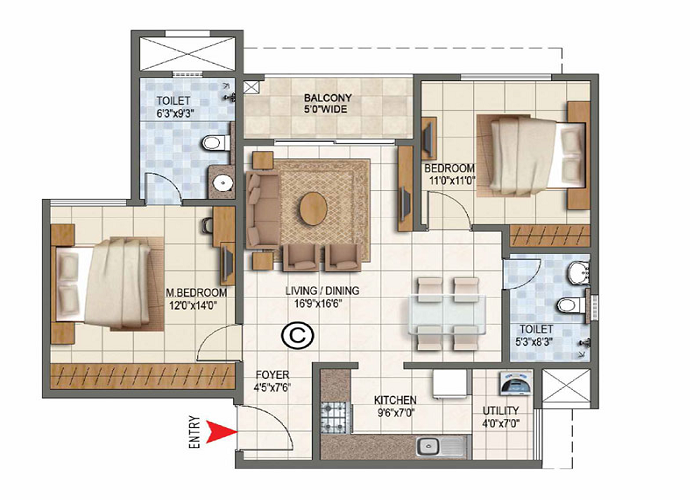
improve indoor comfort. Buyers should check the actual floor plan and model apartment
instead of depending only on brochure claims.
Landscape and Heat Control
Native trees, shaded paths, cool roofs and reduced hard paving can lower heat around the
buildings. The approved landscape plan should show where these features are placed.
Building Materials
Green ratings may give points for recycled, regional or low-impact materials. Buyers should
ask for the specification sheet to understand which materials are proposed for the project.
Benefits of Green-Certified Apartments
A properly designed and maintained green building may offer:
- Lower common-area energy use
- Reduced fresh-water demand
- Better use of treated wastewater
- More daylight and ventilation
- Clearer waste-management systems
- Lower environmental impact
- Better long-term project marketability
These benefits depend on how the building is operated after possession. Poor maintenance
can reduce the value of even a highly rated design.
Does Green Certification Increase Resale or Rent?
Certified buildings may attract buyers who value lower resource use and better indoor
comfort. However, no certification guarantees a 5%–10% resale premium, higher rent or
fixed investment returns.
Resale and rental demand also depend on location, builder, apartment size, possession
status, maintenance, water supply and market conditions. Certification should be one part of
the decision, not the only reason to buy.
Green Building Certification and Prestige Golden Grove
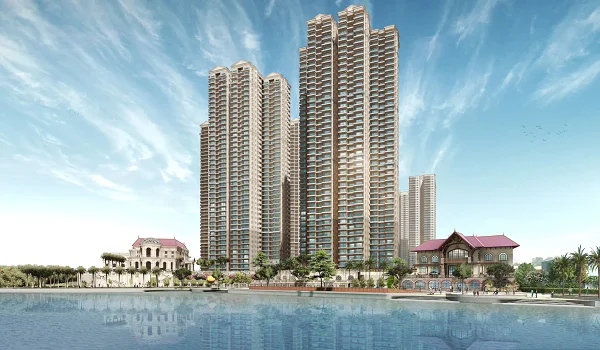
Prestige Group New Launch is Prestige Golden Grove.
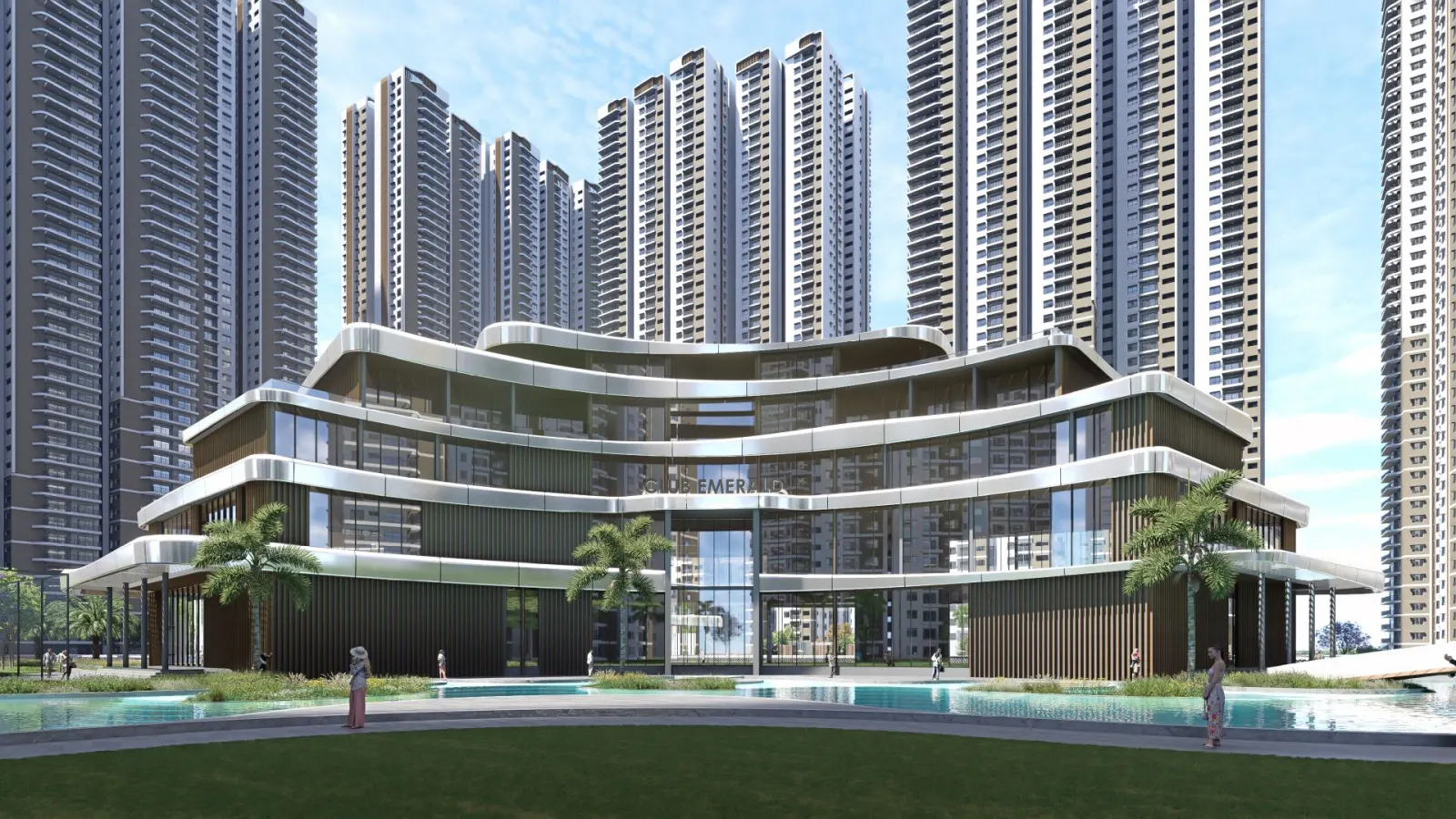
Prestige Golden Grove is a large high-rise residential township in Velimela, West
Hyderabad. Buyers studying its sustainability should check the approved master plan, water
system, sewage treatment, waste handling, energy use, landscaping and building
specifications.
RERA approval and green certification are different. RERA covers project registration and
buyer-related disclosures. IGBC, GRIHA or LEED reviews environmental performance. One
approval does not replace the other.
Unless the builder provides an official certificate or pre-certification record, the
project should not be described as IGBC, GRIHA or LEED certified. Buyers should ask
for:
- Name of the rating system
- Registration or certificate number
- Rating level
- Certificate validity
- Approved green features
- Whether the rating is pre-certified or final
- Who will maintain the systems after possession